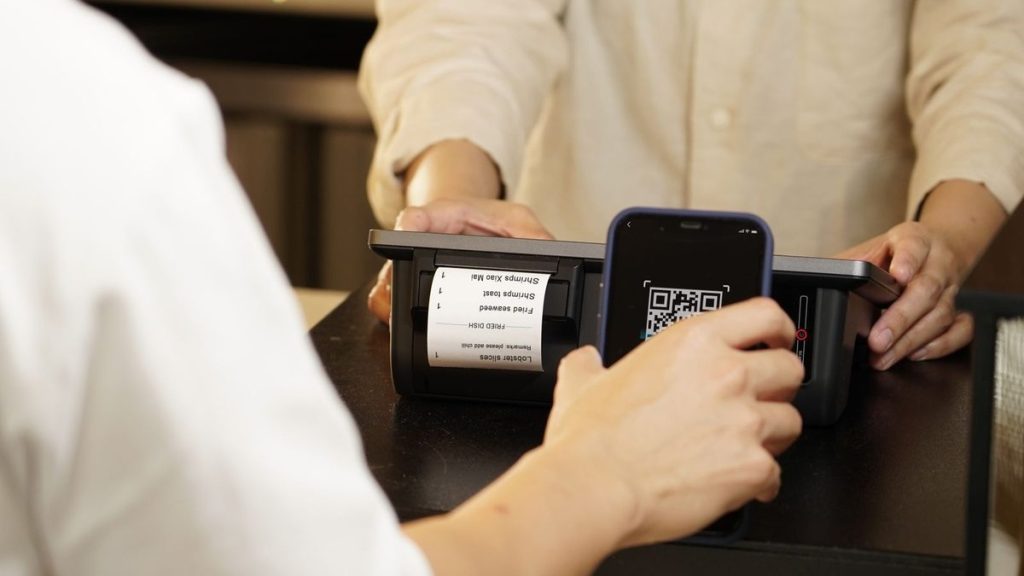
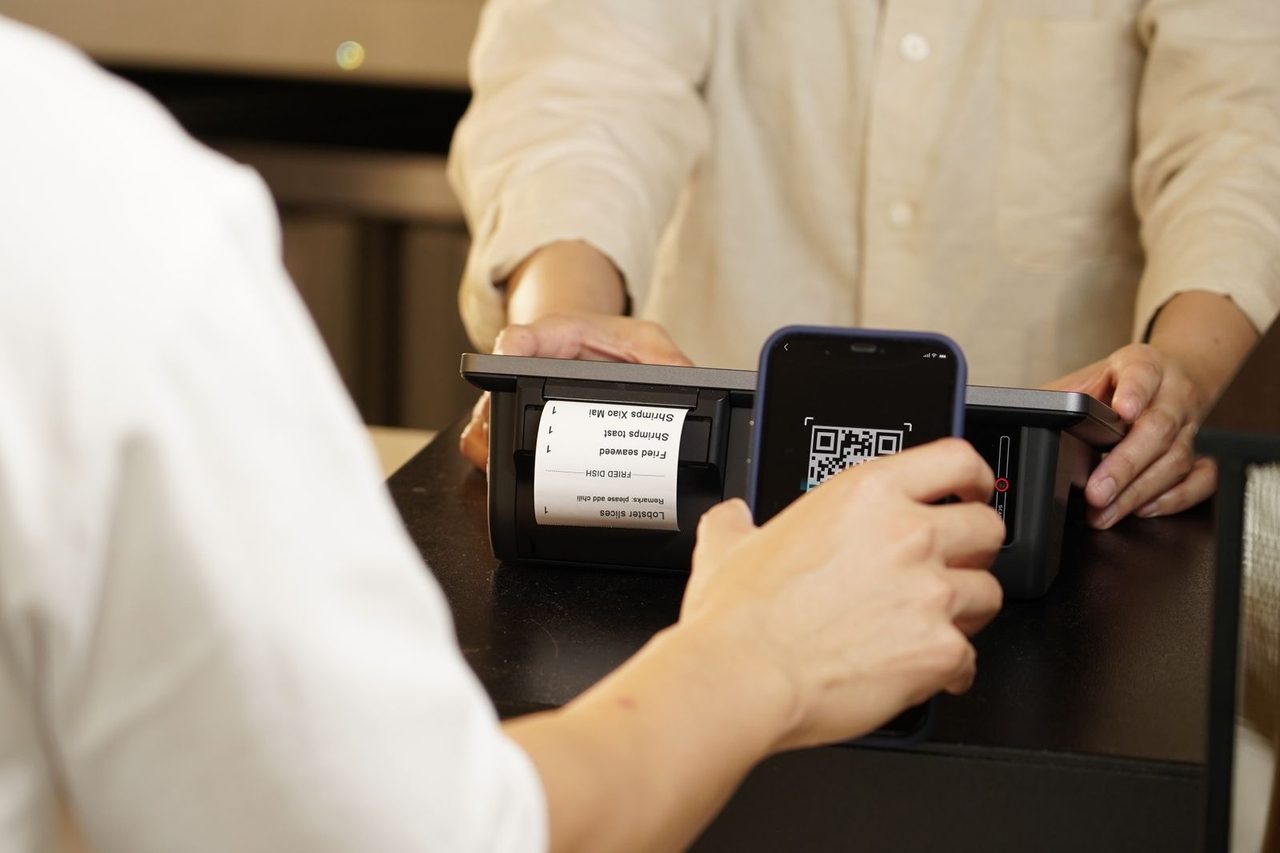
UPI MDR is 0.4% on a UPI payment above ₹2,000 to your shop, capped at ₹300 per transaction (the cap applies from ₹75,000). Payments of ₹2,000 or less stay at zero, and so do small merchants in the P2PM category. It starts on the date NPCI notifies, which NPCI said on 13 Oct 2026 will be immediately after Diwali 2026. Your customer pays nothing extra.
The original 15 Oct 2026 start no longer applies. On 13 Oct 2026, NPCI said the MDR will start “immediately post Diwali at a date to be notified separately” (NPCI statement, 13 Oct 2026). The rule applies from whatever date NPCI notifies. NPCI posts these notices on its press release page, npci.org.in. Last checked: 28 Oct 2026 (NPCI statement of 13 Oct 2026 and PIB release of 15 Sep 2026), no date notified yet.
Your customer pays nothing extra, and you can’t add the charge to the bill. Below is what changes, how much it costs you, and what to check with your bank this week.
New to the term? Read our short Hinglish explainer, UPI MDR Kya Hai.
What is UPI MDR, in plain words?
MDR stands for Merchant Discount Rate. It’s the small cut a shop pays when it takes a digital payment. When a customer scans your QR, their bank, your bank, the UPI app and NPCI all handle the payment. Until now the MDR on UPI payments to merchants was zero. From the date NPCI notifies, announced to follow Diwali 2026, payments above ₹2,000 will carry a charge, and it will come out of the amount you receive.
The Finance Ministry’s PIB release of 15 Sep 2026 says the MDR is not a tax, and the government and NPCI don’t keep it. It’s shared between banks, payment companies and UPI apps. The original start date, 15 October 2026, was in the Department of Financial Services (DFS) FAQ of 15 Sep 2026. NPCI has since moved it to after Diwali.
UPI MDR after Diwali 2026: what changes for merchants
The new rules cover person-to-merchant (P2M) UPI transactions, which means payments made to a business. These are the rates in the framework announced on 15 Sep. NPCI hasn’t said whether they will change when it notifies the date.
- Payments to a merchant of ₹2,000 or less: zero MDR. A Finance Ministry gazette notification of 14 Sep 2026 bars banks and payment system providers from charging for these, and for payments with RuPay debit cards of any amount.
- Payments to a merchant above ₹2,000: 0.4% MDR, paid by you.
- ₹75,000 and above: the MDR stops at ₹300, because 0.4% of ₹75,000 is ₹300.
- P2P payments, money sent to friends or family: no charge at any amount.
- Small merchants under ₹1 lakh a month on UPI QR: zero MDR on every payment. More on this below.
- Railways, telecom, insurance, fuel and some other sectors: a flat ₹5 per payment above ₹2,000 instead of 0.4%.
- Your customer: no charge. Banks have been told not to pass the merchant MDR on to the person paying.
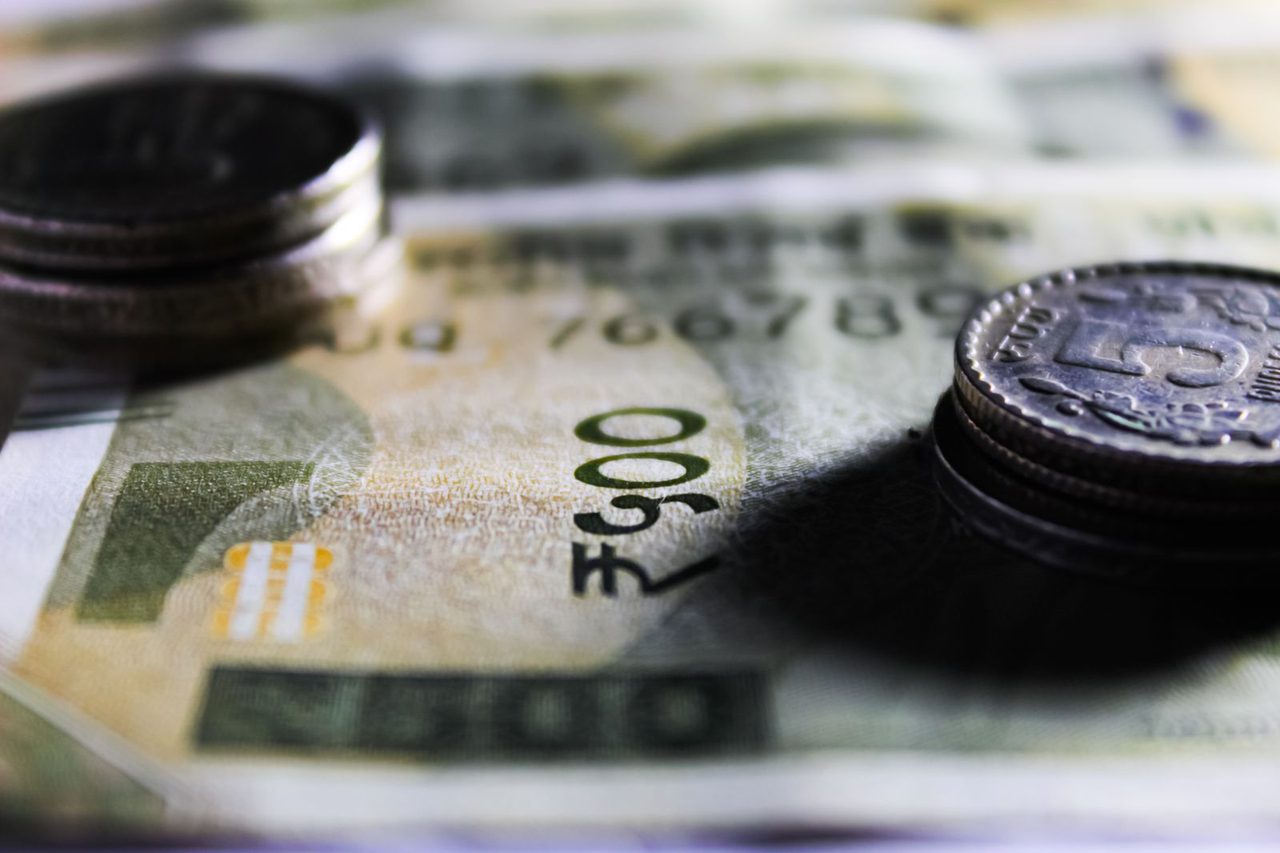
UPI MDR charges for shops: how much will you pay?
| Customer pays by UPI | MDR | Taken from your payment |
|---|---|---|
| ₹1,500 | Zero | Nothing |
| ₹2,000 | Zero | Nothing |
| ₹3,000 | 0.4% | ₹12 |
| ₹10,000 | 0.4% | ₹40 |
| ₹50,000 | 0.4% | ₹200 |
| ₹75,000 | Cap | ₹300 |
| ₹1,00,000 | Cap | ₹300, not ₹400 |
The ₹3,000, ₹50,000 and ₹1,00,000 rows are the DFS FAQ’s own examples. The others use the same formula: 0.4% of the transaction value, capped at ₹300 per transaction (the cap applies at ₹75,000 and above).
To work out your own number, open last month’s UPI statement and pick out every payment above ₹2,000. Add them up and take 0.4%. Say you had 20 payments of ₹3,000 and 4 of ₹10,000. That’s 20 x ₹12 = ₹240, plus 4 x ₹40 = ₹160, so ₹400 for the month. If most of your sales are under ₹2,000, your figure will be small.
What about GST? Neither the PIB release nor the NPCI FAQ mentions it. Tax experts quoted in news reports (News18, 17 Sep 2026) say 18% GST applies on the MDR fee, not on the payment. If that is right, ₹12 of MDR on a ₹3,000 payment comes with ₹2.16 of GST. We have not seen this in an NPCI or CBIC document, so confirm with your CA.
Who pays nothing: the P2PM rule for small shops
Small shops have their own category, P2PM (Person to Person Merchant). Per the DFS FAQ:
- If your UPI QR takes up to ₹1 lakh a month straight into your account, every payment stays at zero MDR, even a single payment above ₹2,000.
- If you go over ₹1 lakh a month on UPI for three months in a row, your account moves into the regular merchant (P2M) category.
- You don’t need GST registration to be in this category.
The category your account sits in decides the charge, not just your sales. Ask your bank or QR provider in writing whether your QR is P2PM or P2M.
Does it matter which app or QR you use?
No single app set the rate. PhonePe, Paytm, Google Pay or your bank’s own QR all follow the same framework, and the DFS FAQ says the UPI Steering Committee chaired by NPCI sets its rules. So the 0.4% and the ₹300 cap are the same on every QR.
You don’t need a new QR either. The DFS FAQ says your existing QR stand and soundbox keep working. A soundbox rent or service fee is the provider’s own charge, not MDR, so ask them how MDR will show in your settlement.
What about payments on your website or payment link?
If you take payments through a gateway, check its pricing page for its own fee. The full picture of gateway costs, KYC and settlement is in our guide to payment gateway charges in India. If you are thinking of nudging buyers to cash on delivery, read COD vs prepaid first.
Got quotes from more than one gateway? Our payment gateway charges checklist shows which lines to compare on each quote.
Big payments are also where a fake payment screenshot hurts most. Our guide on how to identify a fake UPI payment shows you how to check before you hand over the goods. Hindi me padhna ho to dukan me online payment kaise kare dekhiye.
UPI MDR for shops: what to do before the start date
- Ask your category. Call your bank or QR provider and ask whether your QR is P2PM or P2M.
- Check three months of UPI statements. Add up payments above ₹2,000 and take 0.4%. That’s your rough monthly cost.
- Don’t add a “UPI charge” to the bill. Passing the MDR to the customer isn’t allowed.
- Read your first settlement after the fee starts. If you see a new deduction, ask for the breakup.
- Get your news from PIB, RBI or NPCI, not forwarded messages.
UPI MDR on Indi Andaz online orders
If customers order from your Indi Andaz store, their UPI or card payment is confirmed at checkout. Our pricing: No monthly fee, 5% only on delivered online orders, payment processing included. GST applies on the fee. That stays the same after the UPI fee starts, so there’s no extra UPI charge to sellers.
On a ₹3,000 delivered order, the fee is ₹150 plus GST. Payment processing is included in the 5%, so there is no separate UPI fee. Delhivery shipping is charged separately. This covers online orders through Indi Andaz checkout only. If you’re weighing other store builders on fees, our Dukaan alternatives post compares how they charge.
Related reading: payment gateway charges in India, UPI MDR kya hai (Hinglish), UPI payment not received by merchant.
FAQ: UPI MDR charges after Diwali
When will UPI MDR charges start?
From the date NPCI notifies. NPCI said on 13 Oct 2026 that this will be immediately after Diwali 2026. When we last checked, on 28 Oct 2026, the date had not been notified. Check NPCI’s press release page for the notice.
Who pays UPI MDR, the shop or the customer?
The merchant pays. The PIB release says it cannot be added to the customer’s bill.
Do small shops pay UPI MDR?
Small merchants in the P2PM category, receiving up to ₹1 lakh a month through UPI QR, stay at zero MDR. Payments of ₹2,000 or less also stay at zero.
How much MDR is charged on a ₹2,500 UPI payment?
0.4%, which is ₹10. If your account is in the P2PM category, nothing is taken.
Is there a UPI MDR on RuPay debit card payments?
No. The gazette notification of 14 Sep 2026 bars charges on RuPay debit card payments of any amount.
Do I need a new QR code?
No. The DFS FAQ says existing QR stands and soundboxes keep working.
Is GST charged on UPI MDR?
News reports quoting tax experts (News18, 17 Sep 2026) say yes: 18% on the MDR fee, not on the payment, so ₹2.16 on ₹12 of MDR. We have not seen it in an official NPCI or CBIC document. Confirm with your CA.
New here? Start with our Start here page.
About the author Pritam Nandi is the founder of Prilix Labs, the company behind Indi Andaz. He builds Indi Andaz from Ashoknagar Kalyangarh, West Bengal, to help local Indian shops sell online and bill at the counter from one place.
Indi Andaz by Prilix Labs: an online store with UPI, card and COD checkout, plus GST billing at the counter.
Prilix Labs, Ashoknagar Kalyangarh, North 24 Parganas, West Bengal 743222
Email: indiandazsocial@gmail.com
Phone: 8653001257
© 2026 Prilix Labs


Leave a Reply