
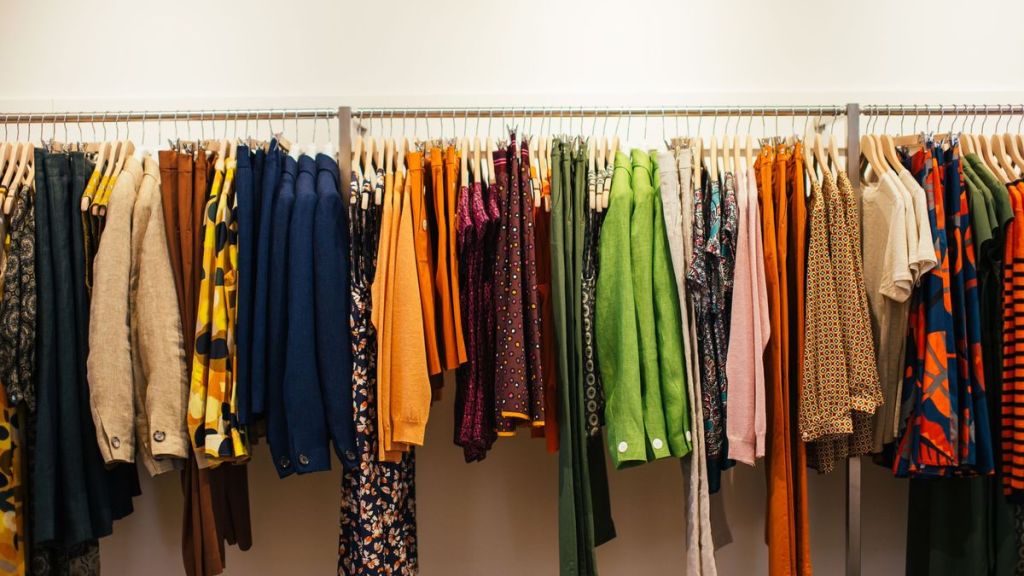
Boutique inventory management works when every style is tracked by size and colour, as a grid. One kurta style in three colours and five sizes is 15 lines, not one. Keep ready pieces, fabric and stitching orders in three separate lists, count your fastest sizes every week, and before each Instagram drop decide how many pieces stay for walk-ins.
Example, not a real shop: an Indore boutique posts a mustard co-ord set on Friday. By Sunday eleven people want size M, and the last two Ms have already sold off the rail.
| Style | Colour | S | M | L | XL | XXL |
|---|---|---|---|---|---|---|
| Co-ord set CS-01 | Mustard | 2 | 0 | 3 | 1 | 1 |
| Co-ord set CS-01 | Sage | 1 | 2 | 2 | 0 | 1 |
| Kurta KT-07 | Indigo | 3 | 4 | 2 | 2 | 0 |
Example numbers. A 0 tells you what to reorder before the next drop.
That’s three kinds of stock in one small room. You’re probably tracking all three in one notebook. Or in nobody’s notebook, which is worse.
What makes boutique stock different?
A kirana counts packets. Even a general clothing store mostly counts by design. You count combinations, and you’re doing it while a customer waits outside the trial room.
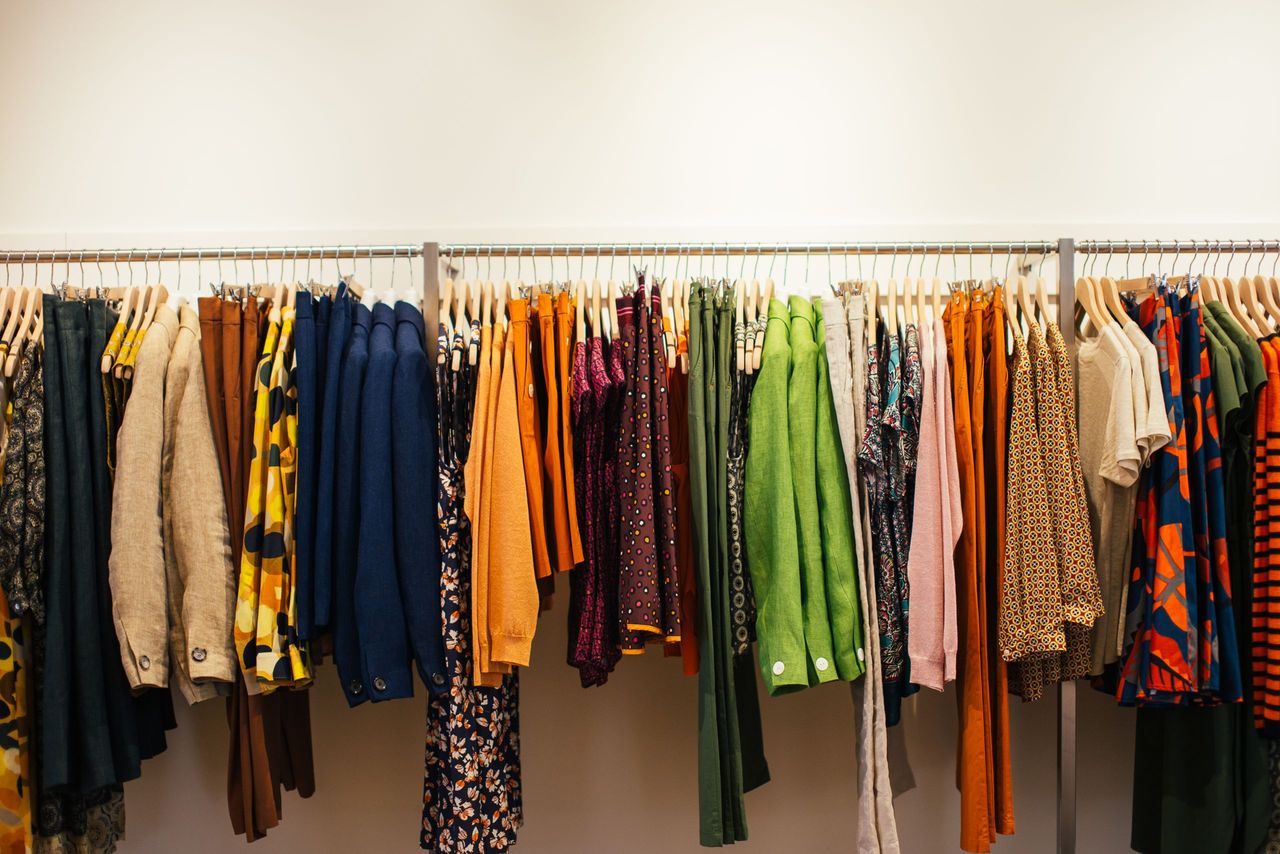
- One style, many pieces. A kurta in four sizes and three colours is 12 separate pieces of stock. “We have the floral kurta” means nothing if your customer needs an XL in blue.
- Ready pieces and made-to-order sit side by side. Kurtis from a Jaipur supplier are stock. A bridal blouse being stitched is an order. Mixing them is where counts go wrong.
- Fabric is counted in metres. Selling 2.5 metres off a 20 metre roll needs its own record.
- Stock leaves the shop for days. Exhibitions at a hotel hall, a pop-up during Navratri, pieces sent home on approval.
- Instagram moves faster than your rail. One good drop can move more in a weekend than your shop does in a fortnight.
Boutique inventory management starts with style, size and colour
Give each design a short code, then add size and colour. That combination is your SKU, the unit you count and bill.
| Style code | Size | Colour | SKU | In stock |
|---|---|---|---|---|
| CRD12 (co-ord set) | S | Mustard | CRD12-S-MUS | 1 |
| CRD12 | M | Mustard | CRD12-M-MUS | 0 |
| CRD12 | L | Mustard | CRD12-L-MUS | 3 |
| CRD12 | M | Sage | CRD12-M-SGE | 2 |
This size and colour matrix is what most boutique software calls variants. Write the SKU on the swing tag. If your billing software prints barcodes, print the SKU as the barcode. Then scanning a tag at billing takes the right size off stock, and you aren’t left guessing which “co-ord set” went.
Keep the first part the same across colours. At the end of the season you’ll see that CRD12 flew in mustard and sat in sage. That’s your next order, written for you.
Keep ready stock, fabric and stitching orders apart
Run three simple records:
- Ready-made pieces. Everything on rails and shelves, by SKU, as above.
- Fabric register. Each roll or than with its own number, metres received, metres sold, and metres reserved for a stitching order. When a customer books a suit, move the metres from “available” to “reserved” that same day.
- A book for stitching and alterations. Customer name, phone, what’s being made, which fabric, tailor, promised date, advance paid. This isn’t stock, but it decides what fabric is still available.
Once these three are separate, “is this chanderi available?” takes ten seconds to answer. Not ten minutes of asking the tailor.
How to take stock in a boutique
You can’t count everything every week in season. Don’t try. Break it up:
- Weekly, 15 minutes: bestsellers by size. Your top 10 pieces only. Check M and L first, since they often sell out before S and XL.
- Monthly: a full count. Before opening, one person reads SKUs off the tags and another ticks the list. Do rails first, then the back shelves, then anything in the trial room or packing table.
- Every exhibition: an out sheet and an in sheet. List every SKU that leaves for the hall, and every SKU that comes back. The difference should match the exhibition bills exactly. If it doesn’t, you’ll know within a day, not at Diwali.
When the count doesn’t match your book, it’s usually a sale with no bill, a return or trial room exchange nobody wrote down, pieces out on approval, or stock entered under the wrong size. Fix the book to match the rail and note why. If the same SKU goes missing twice, you’ve found your leak.
Low stock: reorder by size, not by style
“CRD12 is running low” doesn’t help you. “CRD12 is out of M and down to one S” does. Before the festive rush, these Diwali sale ideas help you set a last order date.
For each design you restock, set a minimum per size. Base it on how long your supplier takes to deliver and how fast that size sells. If your Surat supplier takes ten days and two Ms go every week, your minimum for M is at least three. Raise the minimums before Navratri, Diwali and the wedding months, and keep them highest on your best-selling sizes. Seasonal pieces get no minimum at all.
Instagram drops and online orders
This is where boutique stock breaks most often. The person answering your DMs and WhatsApp and the person billing walk-ins rarely look at the same list. For the selling side, see how to sell on Instagram without a website.
Before every drop, decide who gets what. Say you’ve got 8 pieces of one co-ord. Maybe 5 go on the rail and 3 wait on a separate hanger near the packing table for web buyers. Your staff don’t touch that hanger without asking you. Chat orders stay in one list with WhatsApp order management.
When a web order comes in, take the piece off that hanger and tick it in your stock book with a “web” mark. When the hanger is empty, that size is gone for Instagram, and you say so in the caption or story.
At closing time, spend two minutes on one question: did anything go from the shop today that’s also listed online? If yes, hide it or reduce the quantity online tonight.
Our post on saree inventory management uses the same online-shelf idea for one-piece designs, if you also stock sarees. You might also like billing software for a saree shop and how to set up a dukan stock register.
Do you need inventory software for a boutique?
Not on day one. If you’ve got a few hundred pieces, a notebook or spreadsheet with SKUs, a fabric register and an order book will carry you a long way.
Software starts paying off when your bills pile up or barcode tags would save you time. When you compare inventory management software for a boutique, check for:
- Size and colour as variants of one style, not 12 unrelated items.
- Barcode printing and scanning at billing.
- GST billing with the right HSN code per item.
- Purchase entry and purchase orders, so new stock goes in when it arrives.
- Low-stock alerts per size.
- Reports by style and by size, so you buy smarter next season.
- How online orders reach you, and whether online stock and counter stock come from the same record or two.
That last question decides how much of the closing-time routine above you still need.
Where Indi Andaz fits
Indi Andaz is one option if you want shop billing and a web store in one account.
- Counter: the Counter app for GST billing on Android, with barcode scanning and cash, UPI, card, udhar and split payments. A piece billed there comes off Counter’s shop stock.
- Online: a branded online store at a link like indiandaz.com/sellers/yourboutique, which you can put in your Instagram bio. Customers pay by UPI, card or COD, prepaid payments are confirmed at checkout, and orders arrive in one list. Delivery goes through Delhivery, charged separately.
- Stock, stated plainly: counter stock and online stock are kept separate today. A kurti billed in the shop doesn’t change the web quantity, so keep the separate hanger and the closing check.
Pricing: No monthly fee, 5% only on delivered online orders, payment processing included. GST applies on the fee.
For the full picture of running shop bills and a web store together, see our main guide on billing software with an online store.
Related reading: dukan ka stock register, saree inventory management, sell on Instagram without a website.
FAQ
How do I organise boutique stock by size and colour?
Give each kurta or set a short name like CRD12, then add size and colour to make an SKU such as CRD12-M-MUS. Count and bill by SKU, not by name.
How often should I take stock in a boutique?
Check your top styles by size every week, and do a full count once a month before opening. Count stock out and back in for every exhibition.
How do I track fabric sold by the metre?
Keep a fabric register with metres received, sold and reserved for stitching orders. Move metres to “reserved” the day a customer books.
How do I stop selling the same piece in the shop and on Instagram?
Hold back a fixed number of pieces for web buyers on a separate hanger, and check every evening what went from the shop. With Indi Andaz, counter stock and online stock are kept separate, so update the web store yourself.
New here? Start with our Start here page.
About the author: Pritam Nandi is the founder of Prilix Labs, the company behind Indi Andaz. He builds Indi Andaz from Ashoknagar Kalyangarh, West Bengal, to help local Indian shops sell online and bill at the counter from one place.
Indi Andaz by Prilix Labs: an online store with UPI, card and COD checkout, plus GST billing at the counter.
Prilix Labs, Ashoknagar Kalyangarh, North 24 Parganas, West Bengal 743222
Email: indiandazsocial@gmail.com
Phone: 8653001257
© 2026 Prilix Labs


Leave a Reply